How On-Site Transponder Key Programming Actually Works
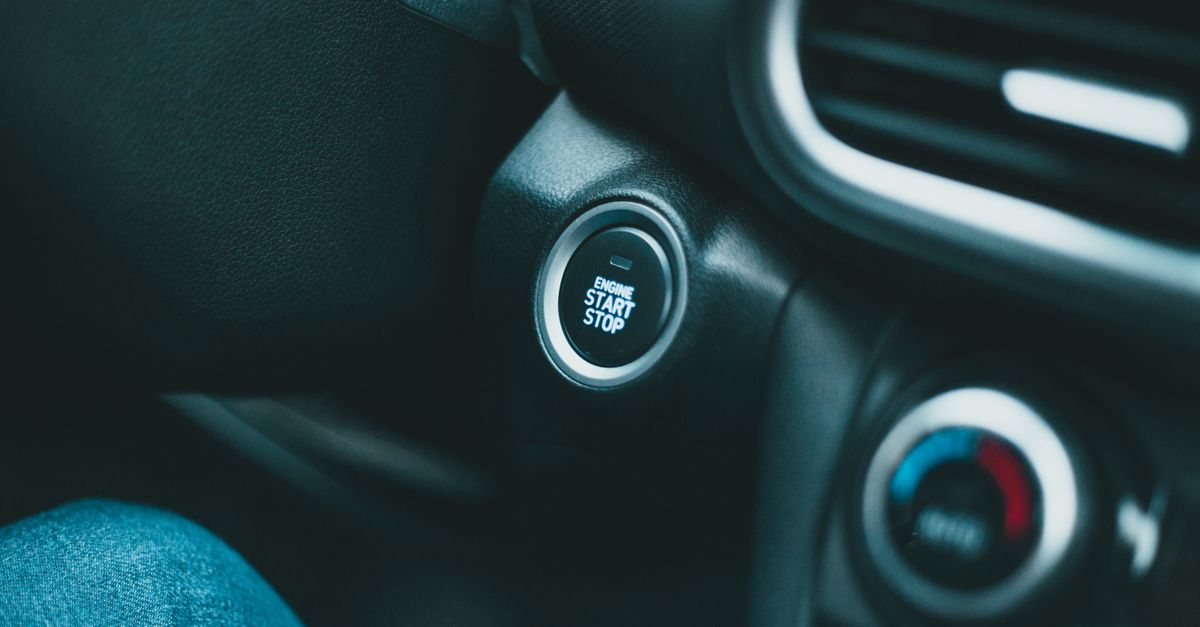
A transponder key contains a small radio-frequency chip embedded in the plastic head of the key. When you insert the key and turn the ignition, the vehicle's ECU broadcasts a low-frequency signal that 'wakes' the chip and asks it to respond with a unique code. If the code matches what the car's immobilizer system expects, the engine is allowed to start. If the chip is missing, unprogrammed, or programmed with the wrong code, the immobilizer remains engaged — the engine simply won't fire regardless of how perfectly the key blade is cut. This is why cutting a key by code alone is only half the equation.
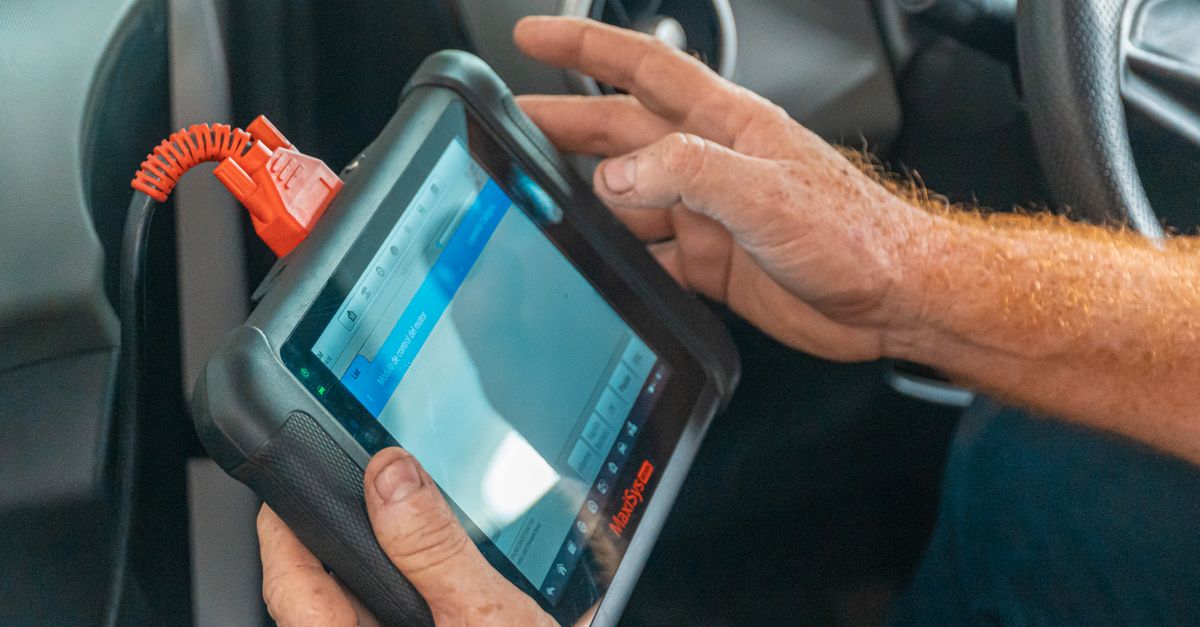
Our technicians handle both steps at your location. First, we use precision key-cutting equipment in our mobile unit to cut the blade to your vehicle's exact specifications — derived from the VIN or from direct measurement of your lock cylinder. Then we connect to the vehicle's OBD port using manufacturer-grade programming tools to write the correct transponder data and synchronize it with your immobilizer. For vehicles that require all previously programmed keys to be present during the process, we walk you through that requirement upfront and confirm what's needed before beginning. The result is a fully functional, road-ready key — tested on-site before we close out the job.